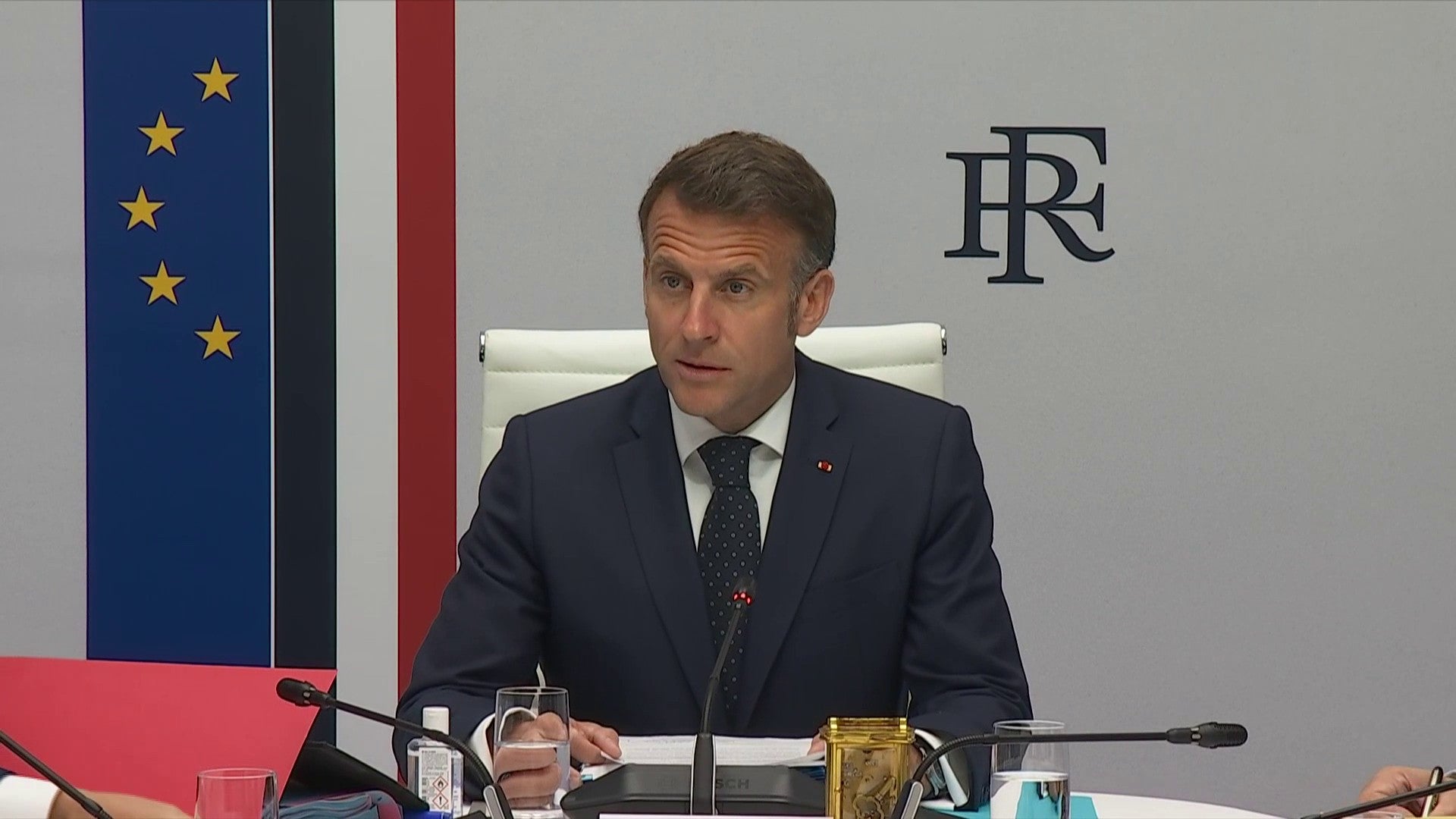
President Emmanuel Macron chaired a defence council meeting at 9am on Friday 23 October, with additional security measures expected to be announced, according to BFM. The meeting comes one day before planned demonstrations on 24 October that are being treated as especially sensitive following the unrest of the previous week.
Later the same day, the president was due to receive pupil organisations at the Élysée at 3pm — the first such meeting since the student protest movement began more than a month ago. The presidency said the aim was to hear their demands, BFM reported.
Why it matters
The day's schedule places the president at the centre of two pressure points at once: street security and the grievances of school students whose anger has fed the wider movement. BFM reported that the defence council was expected to produce further security decisions, following curfews and bans on demonstrations issued during the week.
The run-up to Saturday has also been marked by legal challenges. Trade unions and associations worked through part of the night to contest prefectural orders banning demonstrations in several cities, and administrative courts were due to hear those cases on Friday, with rulings expected shortly afterwards. Le Monde reported that bans are multiplying across France, and framed the trend as a risk to the rule of law.
A president on two fronts
According to BFM, Macron planned to visit police and gendarmerie personnel in the hours before Saturday's rallies, a gesture aimed at forces who faced what the broadcaster described as chaos the previous week. Prime Minister Sébastien Lecornu was also due to be in the field, with a visit to Limoges expected less than a week after the town hall there was destroyed by fire during the 17 October demonstrations.
The Élysée meeting with student groups follows weeks in which pupils have been a visible part of the protest wave. Nathanaël Combary, who chairs the board of the pupil organisation Renouveau lycéen, told BFM he welcomed the invitation and described it as a further step forward in the mobilisation. He said he hoped for clear answers to the students' demands, warning that otherwise nothing would move forward. Combary also urged pupils to take part peacefully and without violence this weekend, while arguing that a balance of pressure with the government needed to be preserved.
The political reaction was swift and divided. Gabriel Attal, the Renaissance candidate in the presidential election, said on France 2 that if the situation was not restored after Saturday's demonstrations, a state of emergency would have to be declared, according to BFM. Nicolas Dupont-Aignan, leader of Debout la France and a presidential candidate, criticised on BFMTV-RMC the president's announced intention to ban demonstrations by people he described as "non-legitimate" — that is, not declared by unions — calling the idea stupid. He said routes and supervision were acceptable but that firm measures should target those breaking the law rather than law-abiding people. Dupont-Aignan also complained that he had not been invited to a meeting Lecornu held with political parties the previous day, and warned that shopkeepers barricading premises and preparing to defend themselves against damage amounted to the beginnings of civil war in the absence of the state's role.
In Marseille, mayor Benoît Payan told LCI that the state should pay to the last cent for damage caused in the city the previous weekend. He added that rioters had no place in the street and said he had watched them enter the town hall and leave unpunished.
Courts, bans and a football fixture
The legal front has become central to how Saturday unfolds. Unions and associations are asking administrative judges to suspend prefectural bans, with prefects' legal services defending the orders and decisions expected in the wake of the hearings, BFM reported. The outcome could allow some marches at the last minute or confirm prohibitions in cities including Lyon, Marseille and Nantes.
Sporting schedules are being adjusted around the policing effort. RMC Sport reported, according to BFM, that the Ligue 1 match between Olympique de Marseille and Le Havre will stay at its original 17:15 slot on Sunday. The closing fixture of the round between PSG and Lyon, scheduled for 20:45 on Sunday, could be postponed because of the heavy police deployment over the weekend; Ligue 1+ had considered moving the Marseille game to the evening slot instead.
Sophie Binet, general secretary of the CGT, told franceinfo that banning demonstrations was very serious, describing the freedom to protest as a foundation of democracy. Her comment was among the reactions carried by French outlets as the government's approach to undeclared gatherings came under scrutiny.
What to watch
Saturday's turnout and whether the marches remain peaceful will shape the government's next moves, while the administrative courts' rulings on the contested bans are expected within hours.